
Open & Enclosed
Open vs. Enclosed Car Shipping: Key Differences
Compare open vs. enclosed car shipping to find the best fit for your budget and vehicle. Learn costs, pros and cons, and how to choose the right option.

Mike Hovhannisyan
24 Jun 25
Learn how to ship a car to another state, including costs, timelines, and steps. Get a free Revoway quote today.

Click the button to start! We are here to be part of your car shipping story. Let's create a lot to tell!
If you're moving to a new home, relocating for a job, or selling a vehicle long-distance, you need to know how such shipping works.
Understanding how to ship your car to another state helps you save time, money, and effort while avoiding unnecessary risk.
In this guide, we break down the process, what it costs, how long it takes, and how to prepare your vehicle.
Let's dive in.
First, compare quotes.
Get quotes from at least 3 shops and compare them. What's the common value and cost? Choose the option that best fits your needs and budget. If you need help, learn more about getting a car transport quote.
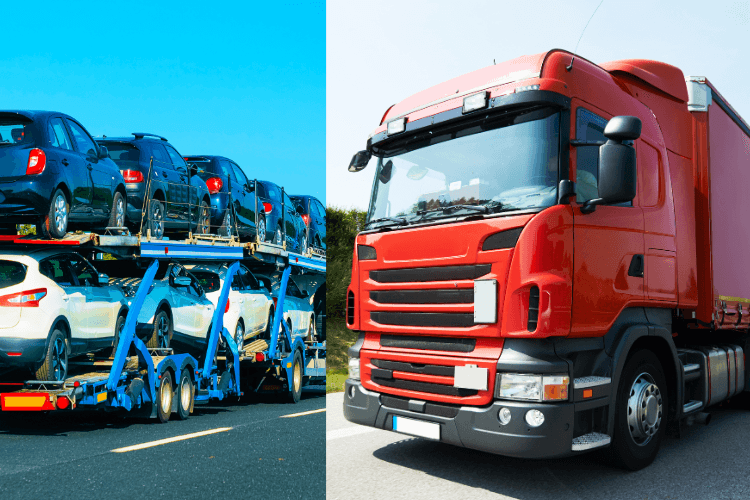
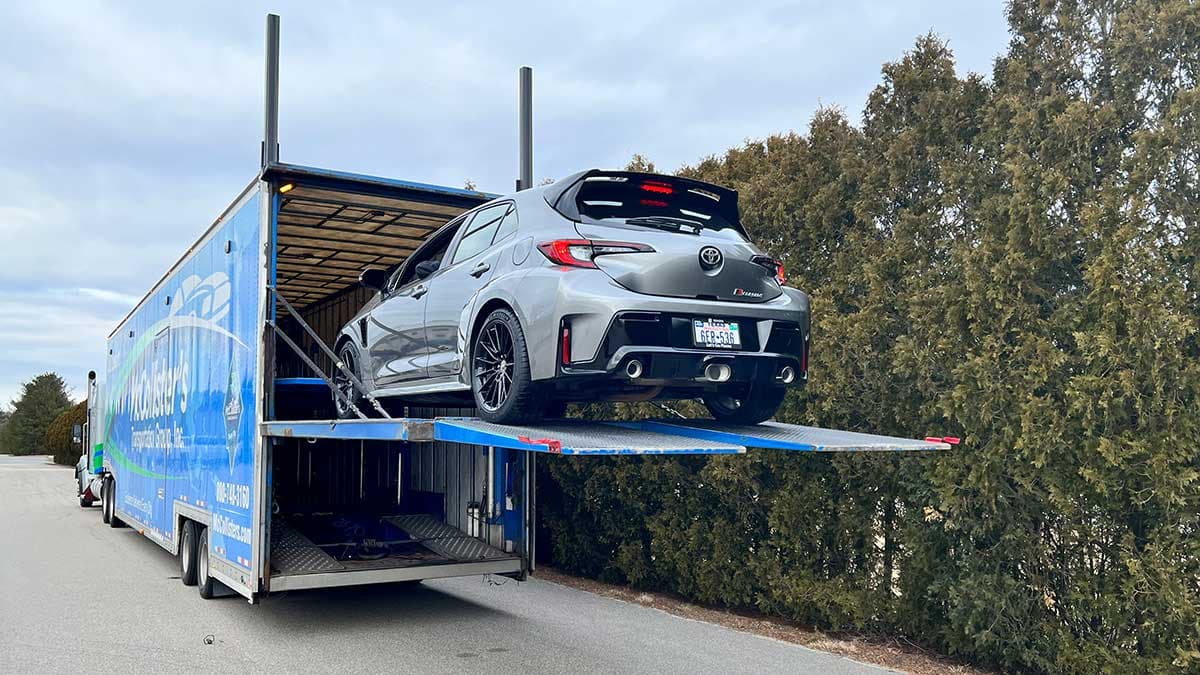
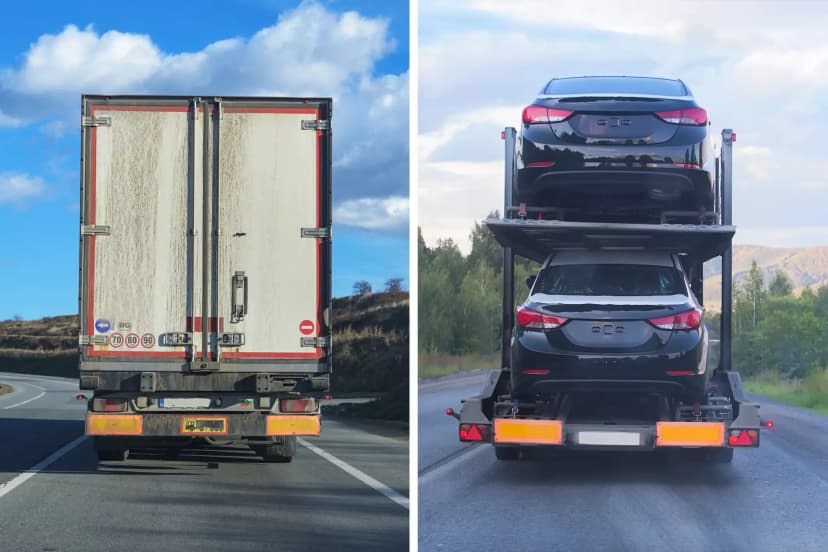
The second step is choosing a transport method: open or enclosed? Open transport is usually more affordable and widely available. Good for everyday cars, SUVs, and many other standard vehicles. On the flip side, enclosed transport offers extra protection from weather and road debris because of its covering. It can cost up to 60% more than open transport, depending on route and vehicle. Best use for classic, exotic, luxury, or high-value cars. Learn more about open and enclosed car transport options.
Once you've confirmed your transport provider, agreed on a price, and set up pickup or drop-off, make your payment. Confirm who receives each payment, when it is due, and whether the amount can change before signing.
Now that you’re almost done. Before pickup:
Keep the fuel level at the 1/4 gauge: Notify the transporter in advance if the vehicle is inoperable, lowered, oversized, or modified.
At pickup or delivery, the driver inspects the vehicle and records its existing condition on the bill of lading. Verify the report before signing the bill of lading and keep your copy.
During transit, you can expect updates according to the transport company's policy. Delays can occur because of traffic, weather, route changes, or other factors.
At delivery, inspect the car to confirm it arrived intact, compare it with the photos you took before pickup, and escalate any inconsistencies early, before the bill of lading process is completed.
This is a big question for many shippers. News flash: no fixed price for interstate car shipping. According to a Move.org analysis of nearly 800 car shipping quotes, the average was about $914 for open transport and $1,342 for enclosed transport.
Various factors determine interstate shipping, including distance, route, vehicle size & condition, open vs. enclosed transport, and timing and season:
Here are the typical planning ranges for a standard, running vehicle:
Delivery time depends on distance, route, carrier, availability, weather, traffic, and scheduling. The table below gives an estimated time frame.
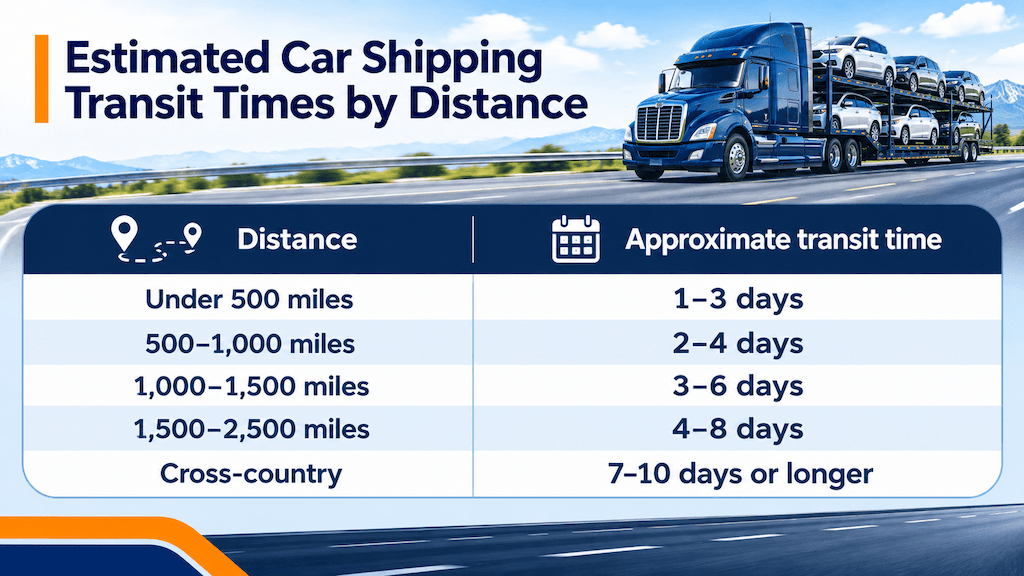
Estimated car shipping transit times by distance, showing delivery timeframes ranging from 1–3 days for trips under 500 miles to 7–10 days or longer for cross-country auto transport.
In the U.S., interstate shipping takes 6.4 days across 15 major routes.
When you book affects the estimated delivery time.
In our line of work, shippers who book 1–2 weeks ahead get time to plan, compare quotes, and find available carriers.
If you need expedited or last-minute shipping, don't be surprised at fewer scheduling options and potentially higher costs.
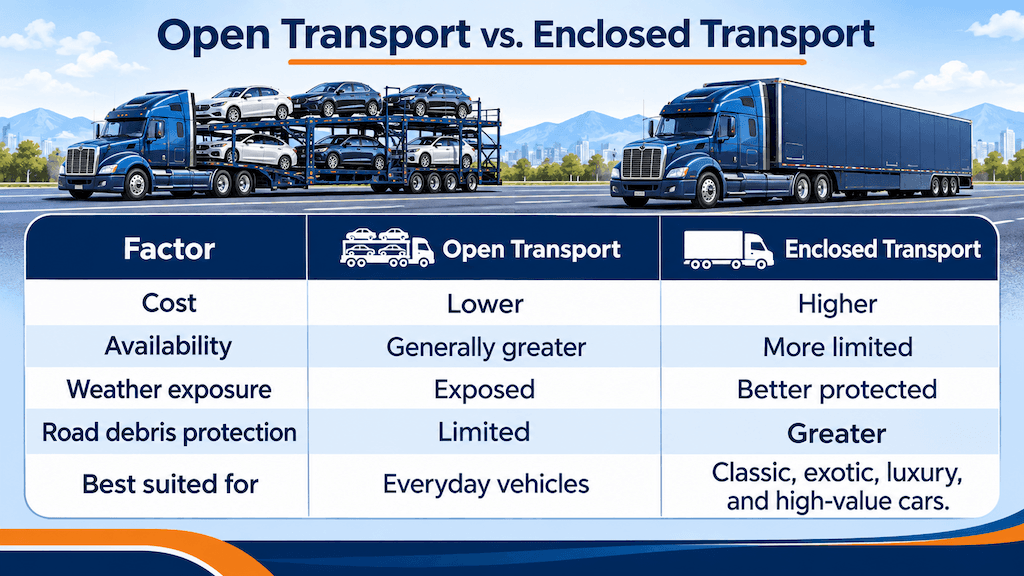
Open transport vs. enclosed car transport comparison infographic highlighting differences in cost, availability, weather exposure, road debris protection, and suitable vehicle types.
One option is not better than the other. But open transport is a practical choice for everyday vehicles, including sedans and SUVs. Enclosed transport makes more sense when you need extra protection (especially for exotic, luxury, and high-value vehicles).
These options are different in cost and convenience.
The terminal-to-terminal option drops off your vehicle at a shipping terminal for a standard shipping cost. The door-to-door option delivers your vehicle to your doorstep with no effort on your part, but it costs more than terminal-to-terminal. But it isn't feasible for large transport deliveries.
Here's what to know.
When you ship your car, the main transportation payment is the carrier fee; when you drive yourself, it's fuel. Accommodation is usually unnecessary for the vehicle's journey if you ship, while driving may mean hotels, if needed. Personal travel costs for meals may be lower with shipping, whereas driving means paying for meals during the trip. Shipping adds minimal additional mileage to your vehicle, while driving adds mileage and wear. Shipping can free you to travel separately, while driving requires driving time. In terms of convenience, shipping is useful for long-distance moves, and driving yourself is useful for shorter trips.
Understand this before booking.
Many shipping companies are brokers. That means they connect you with their carrier network (the drivers).
Here's the breakdown.
A car shipping broker arranges the shipment and connects you with the right carrier. A carrier operates the transport truck and physically moves your vehicle.
Yes. You can ship your car to or from another state.
Transporting a car to another state averages about $914 for open transport and $1,342 for enclosed transport.
Choose open transport, book early, opt for terminal-to-terminal delivery, and ship during off-peak seasons.
It typically takes 1-2 weeks, but it can take longer because of logistics constraints, including the vehicle's condition, route congestion, loading and unloading, and checkpoints.
Properly preparing your car for interstate shipping includes
Clean the vehicle, take a photograph of the vehicle (360 view), document any damaged areas, take out personal belongings and loose items, and leave the fuel level at 1/4
Compare open vs. enclosed car shipping to find the best fit for your budget and vehicle. Learn costs, pros and cons, and how to choose the right option.
24 Jun 25
Is enclosed car shipping worth it? Learn the key differences between open and enclosed transport, costs, benefits, and who should upgrade.
19 Jun 26