

Guides for First-Time Customers
Do You Tip Your Car Transport Driver? Auto Transport Etiquette Explained
Wondering if you should tip your car shipping driver? Here's what's customary. Learn more!

Mike Hovhannisyan
19 Oct 26

Click the button to start! We are here to be part of your car shipping story. Let's create a lot to tell!
Shipping a vehicle can feel a little overwhelming, especially if it's your first time. You have a lot of questions - how do I avoid hidden fees? Which auto transport companies can be trusted to deliver your car in one piece? Do not worry, this guide provides accurate and detailed information on all you need to know to ship your car seamlessly. Here's the breakdown:
Before requesting a quote, you need to do your research. Here's what it means:
Many auto transport companies use responsive websites to acquire your details. Enter the field for pick-up location. Provide accurate car details - condition, modifications, running/non-running.
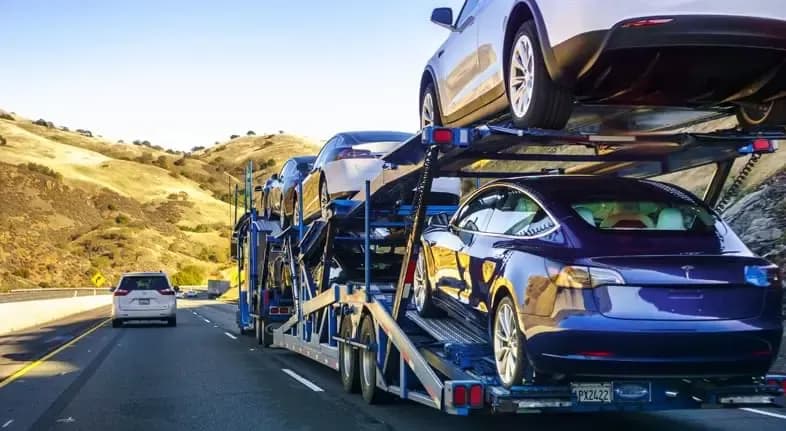
Select your shipment option - open or enclosed? In 2024, over 23 million vehicles globally were moved via specialized car carriers (open-air + enclosed). Open transport is common and affordable.
Enclosed transport is for luxury or expensive vehicles. This option is much safer and faster - but quite costly.
Here is what you should expect during pick-up: The driver or expert from your selected auto company will call you 2–12 hours before arrival. Afterwards, your vehicle will undergo a quick inspection.
Subsequently, you will be asked to sign a Bill of Lading as proof of delivering your vehicle to the carrier, also known as a shipping contract.
Reputable auto shipping companies provide means of tracking your vehicle, whether via the company portal or driver updates.
It's essential to know where your car is at every stop.
The driver unloads your car, and it is your moment to inspect it. You will compare the vehicle's condition to the Bill of Lading. If everything is correct, pay any remaining balance (if the company uses COD).
Caveat:
Don't inspect your vehicle at night. Only in the daytime for proper confirmation.
Informed car owners experience seamless shipping even if it's their first time shipping. Whether you've been shipping your car before or you're a first-time shipper, understanding the A–Z of shipping helps you enjoy a better, faster, and reliable shipping experience. Do you need an A–Z shipping experience? Contact Revoway today.
Before requesting a quote, research 2 to 3 reputable carriers and check if the initial quote explicitly includes insurance, taxes, and fuel fees so you know the total cost upfront. Additionally, be wary of unexpectedly low quotes, as they are often dubious and could lead to scams or hidden charges.
You should completely remove all personal items to avoid extra weight and handling fees, document the car's condition with a full walk-around photo set during daylight hours, and ensure the vehicle's fuel tank gauge is kept at 1/4 full to prevent leaks and extra handling charges.
Open transport is a common, affordable choice used to ship standard vehicles. Enclosed transport is a much safer, faster, but costlier option specifically recommended for luxury, exotic, or high-value cars to protect them from harsh weather and external threats.
Wondering if you should tip your car shipping driver? Here's what's customary. Learn more!
19 Oct 26
Can I Ship a Boat? Yes, you can. See transport methods, cost factors, and prep tips. Learn more!
12 Oct 26