

Guides for First-Time Customers
Do You Tip Your Car Transport Driver? Auto Transport Etiquette Explained
Wondering if you should tip your car shipping driver? Here's what's customary. Learn more!

Mike Hovhannisyan
19 Oct 26

Click the button to start! We are here to be part of your car shipping story. Let's create a lot to tell!
Need to ship your car? Don’t know what to do and where to turn? No worries. Here is a comprehensive guide to help you. When it’s the first time, it can feel hard, as there is a lot to think about. You have a short way to success - to find the best and well-reputed car shipping company. Otherwise, you need to browse a lot, figuring out the prices and knowing what to expect. The good news is? In 2025, delivering cars will be easier and more convenient for customers than ever. Here's everything you need to know to transport your car with peace of mind.
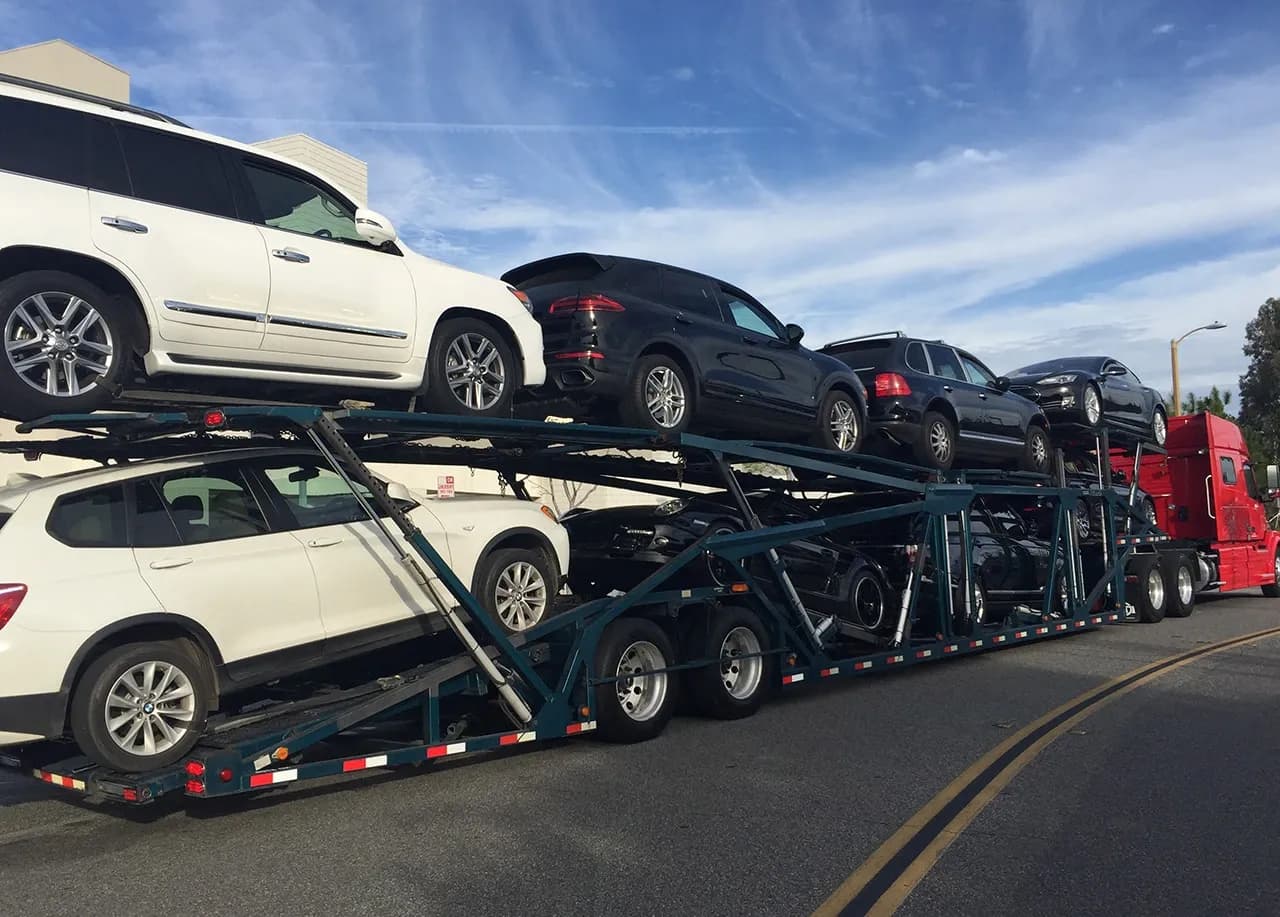
The most important thing to decide is your transport type: open or enclosed. This is a determining factor in many aspects, starting from costs to the shipping quality and speed. In the USA, open car transport is the most common way to ship a car and takes around 90% of all shipments.
Open car transport is fast due to multi-level trailers. It is safe but exposed to weather elements. However, if your car is reliable, it’s the way to go, as it is affordable and dependable. On the contrary, enclosed transport is great for luxury cars, antique cars, or cars worth a lot of money because enclosed car transport offers covered trailers and an additional layer of protection. Bear in mind, enclosed car transport costs 40% to 60% more than open car transport.
Accurate quotes can turn into a real trap. A variety of prices can be overwhelming. At least two weeks before you need to pick up your items, start getting quotes. Contact companies to clarify all the details about pricing so as not to end up with higher costs. Be careful with quotes that sound too wonderful to be true; they usually are. Tell the truth about the make, model, year, and condition of your car. Also, mention any technical issues about your car, as they will cost more. A good shipping company provides detailed quotes that include the pickup and delivery locations, the method of transportation, and the time frames.
Lowest pricing isn’t always safe. When choosing a carrier, don't only look at the lowest pricing, but also reliability and safety. Check all possible information about the company and verify they're properly licensed. Also, check about insurance coverage and ask to see their certificate. Avoid companies that require large upfront payments or demand cash-only transactions.
The next important step is preparing a car before shipping. Make sure your car is clean inside and outside. It helps keep track of any existing damage and makes the inspection go more smoothly. Don’t forget to remove all personal items, as carriers aren't responsible for belongings left inside. It also adds some extra weight and can result in additional fees.
Finally, fill your car with a quarter tank of gas to reduce weight and comply with safety regulations. Detailed photos of your vehicle from multiple angles before the carrier arrives are strongly required.
Pay careful attention to the costs of transporting a car. Don't trust companies that want full payment up front. Usual costs fall between $500 and $1,500, depending on the distance, route, size of the car, and time of year. When it comes to cross-country shipping, it usually costs between $1,000 and $1,200. Most of the time, you pay cash on delivery, although certain couriers may also take certified checks or electronic payments.
Some services include a pickup date agreement, so you can decide when. However, if you are not ready to pay for that benefit, then rely on regular shipping terms. Most of the time, carriers give you 24 to 48 hours' notice before picking up. Your presence, or a person you referred, should be there for both the pickup and delivery so you may check out your car and sign the Bill of Lading, which is your receipt and damage report. In case of any issues, record the damage.
Usually, most routes take 7 to 14 days for standard shipping. Some changes are possible due to distance and stops along the way. Since regular shipping includes more than one car on the truck, expect multiple pickups and deliveries that could change the schedule. Also, some delays can happen because of the weather, traffic, or problems with the car. Nonetheless, if you choose a trustworthy company, they will let you know ahead of time about any changes in the schedule, providing you with information so you can see how things are going.
All respectable carriers have insurance; however, the amount of coverage they offer varies. Most of the time, standard coverage is between $100,000 and $250,000 per car. If your car is worth more than this, you might choose to get more coverage through your car insurance or the shipping firm.
To sum up, shipping a car for the first time can be challenging when you don’t work with a reputable car shipping company. In 2025, car shipping is a well-established, regulated business with best practices. However, to know the basics of the industry is essential for each customer to feel safe and confident. Knowledge is a power that will help you find the best solution. So, take the time to do your homework, ask questions, and pick a reliable carrier. Your car and your peace of mind are worth it.
In 2025, the cost of transporting a car will usually be between $500 and $1,500. This will depend on the route, distance, size of the car, and time of year. Shipping across the country usually costs between $1,000 and $1,200. Because of the extra safety, enclosed transport usually costs 40–60% more than open transit.
Standard delivery usually takes 7 to 14 days, however this can change based on how far away the package is and how many stops it makes along the way. Weather, traffic, or carrier schedule can cause delays, but good companies will keep you up to date on the procedure.
Before shipping, clean the inside and outside of your car, take away all of your personal items, leave roughly a quarter tank of gas, and take thorough pictures of its condition. To avoid extra expenses and problems with loading, be sure to tell them about any mechanical problems.
Wondering if you should tip your car shipping driver? Here's what's customary. Learn more!
19 Oct 26

Can I Ship a Boat? Yes, you can. See transport methods, cost factors, and prep tips. Learn more!
12 Oct 26