
How Much Does it Cost to Ship a Truck?
Open & Enclosed

How Much Does it Cost to Ship a Truck?

Map illustration

Tell us about your project

Click the button to start! We are here to be part of your car shipping story. Let's create a lot to tell!

Average Cost to Ship a Truck

Shipping a truck costs between $800 and $2,500 on average. The cost depends on how far it is, how big it is, and what kind of transportation it is. Here is a rough breakdown by distance:

For short distances (less than 500 miles), it costs $800 to $1,200.

For medium distances (500 to 1,500 miles), the cost is $1,000 to $1,800.

Long distance (more than 1,500 miles): $1,500 to $2,500 or more

These are rough estimates. The actual quotes will depend on a number of specific factors, which we'll go over shortly.

Open vs Enclosed Truck Transport Pricing

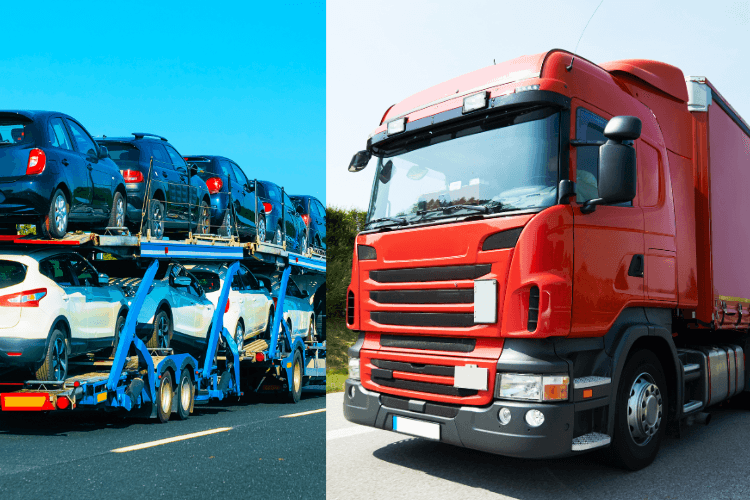
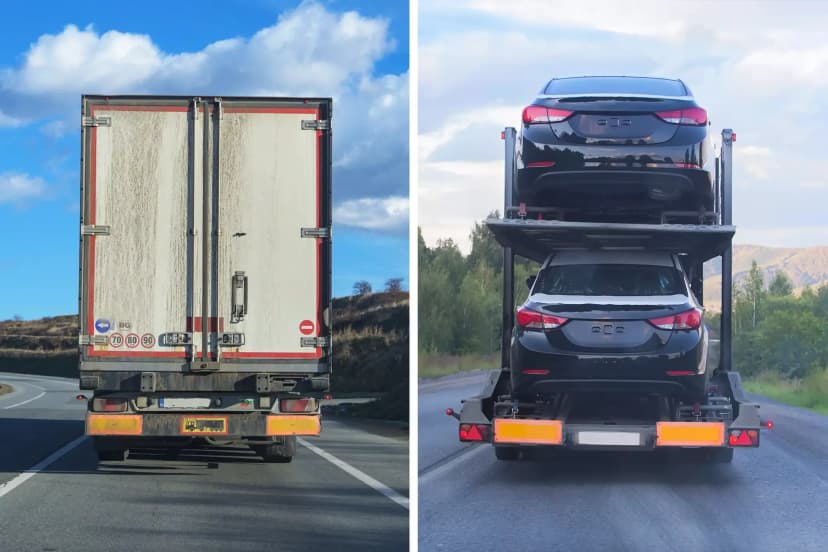
The main indicator affecting your truck shipping cost is the transport type you choose. Between the two main transport options, open and enclosed, your choice will significantly impact the price.Open transport is more common among car shippers, as it’s significantly cheaper and widely available. Compared to the enclosed transport, here your truck is loaded onto an open-air trailer alongside other vehicles. This big capacity makes open transport more available. The concern is with open transport; your truck is exposed to the weather and road debris, but its use is perfectly acceptable for almost all truck types. Open transport typically costs 10–30% less than enclosed.

Enclosed transport is typical for shipping luxury or vintage cars that need an additional layer of protection. During shipping, enclosed transport uses fully enclosed trailers that place your truck inside, ensuring protection from external elements. If your truck is exclusive or a high-value commercial truck, then enclosed transport is your best option. Expect to pay a premium of $300 to $700 more compared to open transport for the same route.For most truck owners, open transport is the best and cheapest option. However, if you're transporting irreplaceable items, the additional cost is worthwhile.

Key Factors That Affect Truck Shipping Costs

Some people are lucky enough to have final quotes with no cost fluctuations down the road. Others don’t get lucky enough to experience a locked-in quote. Revoway provides a locked-in price to ensure your final quote is never exposed to price changes. However, here are the variables that influence your final quote:Distance comes first. The longer the ride, the higher the cost. No doubt, on the long routes, the cost per mile decreases, but the ride overall is costly.Route popularity is the second.The more popular the area, whether it’s a city or high-traffic corridor, the cheaper the route. Why so? The reason is that the carriers run those routes frequently. Prices increase at rural or remote pickup/delivery points. These areas can add extra fees.The season is the next one.
The peakier the season, the lower the prices. So, winter is the best time to have cheaper shipping costs, though it’s also tricky, as weather can hinder many things, causing delays. As for summer, it is a peak season for auto transport, which drives prices up. Fuel prices add to this.Every spike in fuel prices affects shipping costs. If the fuel prices are low, so are the shipping costs, and vice versa. Truck conditionIn case your truck is inoperable, it requires extra costs. The cost includes expenses on special equipment for loading and unloading. Think of $100–$300 more to the cost.

How Truck Size and Weight Impact Shipping Costs

The main difference between truck and car shipping is their size and weight. Because trucks are heavy, shipping can be costly and somewhat complicated due to carrier availability.  Standard passenger vehicles are easier to ship because they are easy to load onto carriers, and because of their wide availability, they cost less than truck shipping.
In summary, the vehicle's size and weight contribute to the overall shipping costs.As a general rule, expect to pay 20–40% more to ship a full-size or heavy-duty truck compared to a standard sedan.

Conclusion

Shipping a truck is costly, but it's often the best option when you factor in distance, wear and tear, and time. Costs usually range from $800 to $2,500 or more, depending on distance, type of transport, truck size, and time of year. The best way to get a fair price is to get quotes from several reliable carriers. Before you book, always check what's included, such as insurance, door-to-door delivery, and estimated delivery times.

FAQs

  1. Why is it more expensive to ship a truck than a car?

Definitely trucks. They are heavier and larger than standard cars. Trucks take up more space and weigh more, so fewer can be shipped on the same carrier. It means that the cost gets high.

  1. Are truck shipping quotes guaranteed? 

Most quotes are not set prices; they are just estimates. The final costs may vary if fuel prices increase, the route changes, or pickup or delivery times change unexpectedly. If you're on a tight budget, you might want to think about getting a binding quote from some carriers for an extra fee.

  1. Is open or enclosed transport better for shipping a truck?

If the trucks are regular, then open transport is perfectly fine and significantly cheaper. You need to opt for enclosed transport if you require super-safe transport for your high-value, classic, or luxury trucks.


Share this post

Open vs. Enclosed Transport: When Should You Upgrade Your Car Shipping?
Open & Enclosed
Open vs. Enclosed Transport: When Should You Upgrade Your Car Shipping?

Few vehicle stakeholders (owners, dealers, etc.) know when to transport their vehicles rather than drive. Even fewer understand when to upgrade from an open to an enclosed transport option—and that is where you save thousands of repairs and devaluation. Understanding when to upgrade from open to enclosed shipping options is safer, cheaper, and eliminates worries about potential road hazards.

Olivia Rhye
Hayk Baghdasaryan

19 Jun 26

What is The Difference Between Open and Enclosed Car Shipping
Open & Enclosed
What is The Difference Between Open and Enclosed Car Shipping

Open transport is the most common auto transport option, is more available and affordable, and can accommodate 7–9 vehicles, provided they comply with the Federal Motor Carrier Safety Administration (FMCSA) safety weight and length regulations. It is the standard transport type. On the other hand, enclosed transport is expensive and has limited space on carriers. The most ideal option for classic, high-value luxury vehicles. That's just an icing-on-the-cake explanation. There's more than meets the eye. This blog offers a quick tip to clarify the difference between these services. We will break down the pros and cons of each. Let's dive in.

Olivia Rhye
Mike Hovhannisyan

24 Jun 25