
Open & Enclosed
How Much Does it Cost to Ship a Truck?
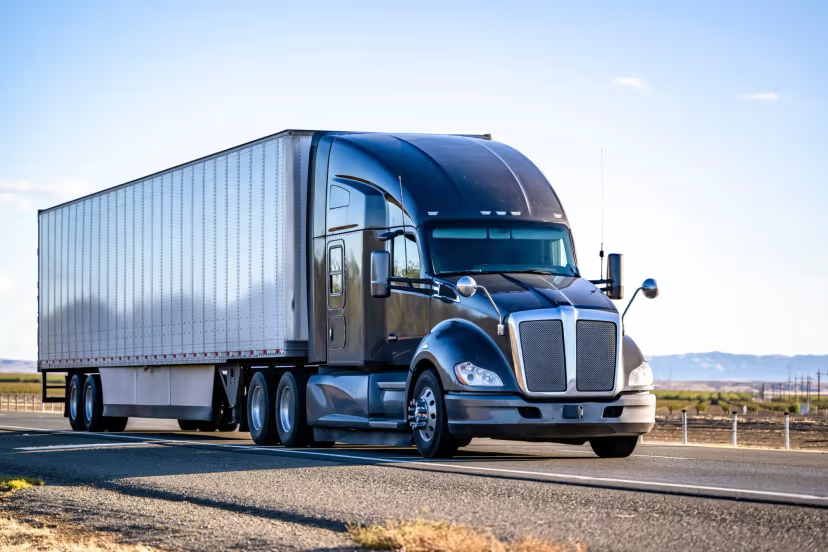
How much does it cost to ship a truck? Learn average truck shipping prices, cost factors, and tips to save on pickup and large vehicle transport across the U.S.

Mike Hovhannisyan
24 Mar 26
19 June 2026
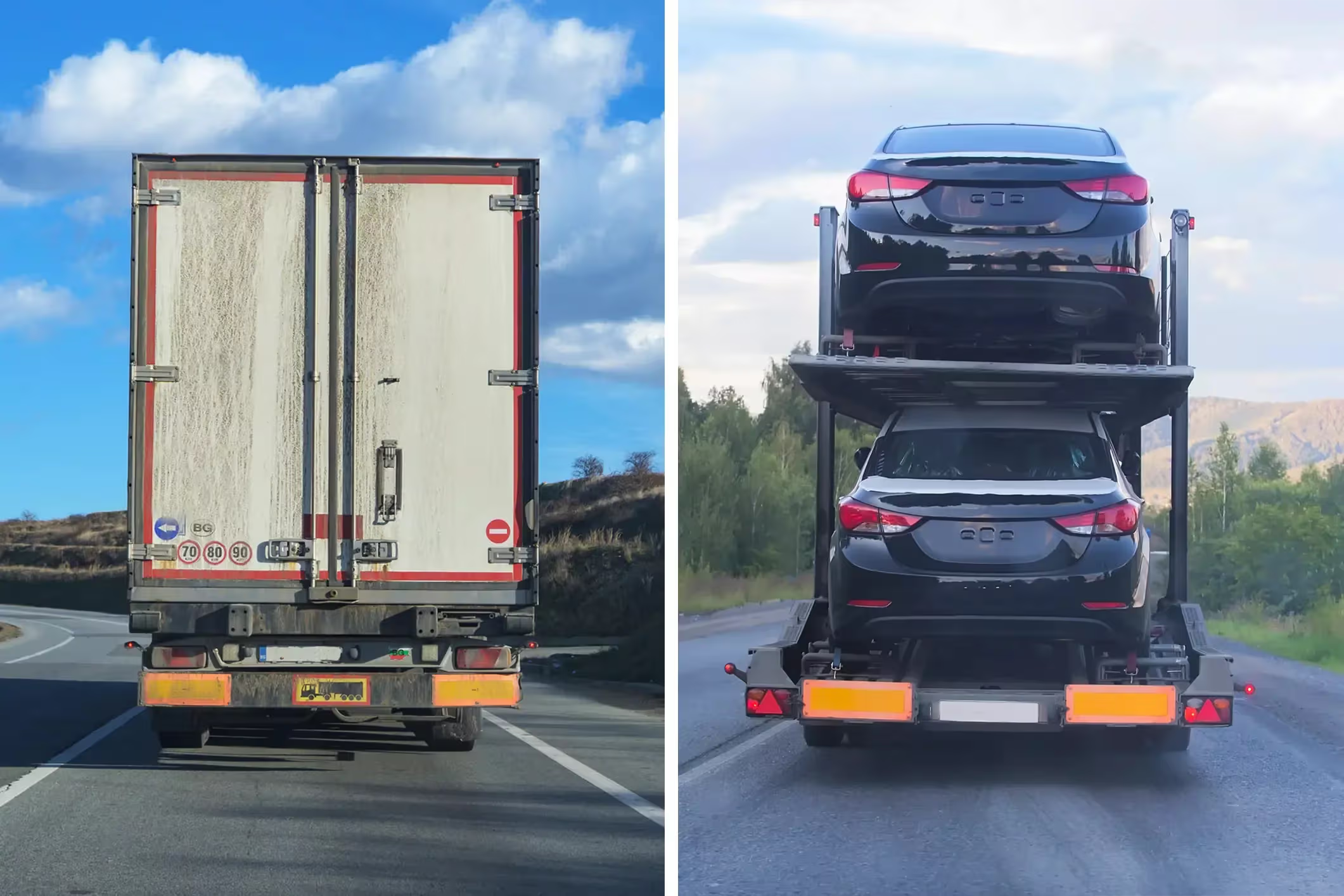
Is enclosed car shipping worth it? Learn the key differences between open and enclosed transport, costs, benefits, and who should upgrade.

Click the button to start! We are here to be part of your car shipping story. Let's create a lot to tell!
Few vehicle stakeholders (owners, dealers, etc.) know when to transport their vehicles rather than drive. Even fewer understand when to upgrade from an open to an enclosed transport option—and that is where you save thousands of repairs and devaluation.
Understanding when to upgrade from open to enclosed shipping options is safer, cheaper, and eliminates worries about potential road hazards.
This article helps you:
90–97% of all vehicles shipped across the U.S. use open transport because it’s a cost-effective and practical option. This includes dealership inventory, leased vehicles, rental fleets, and personal cars.
You would have seen 7 to 10 vehicles securely strapped to an open trailer as they drove on the highway. Because these open carriers move multiple vehicles at a time, vehicle owners share the shipment cost, making open shipping cheaper than enclosed shipping.
You can use open transport if you own a commuter car, SUV, pickup truck, sedan, or a used vehicle. It often offers the best balance between shipping price and reliability. Overall, it’s budget-friendly and costs 40–60% less than enclosed transport.
Most drivers assume enclosed transport is "safer," but "safe" depends on the type of vehicle you are shipping. Open transport is the backbone of the shipping industry. Manufacturers and dealerships often ship new cars, certified pre-owned vehicles, and fleets nationwide using open carriers.
Open transport offers faster access to book and schedule your shipment compared to enclosed transport. Additionally, it offers greater route flexibility and shorter wait times.
Enclosed transport is generally recommended when shipping:
Enclosed transport provides maximum protection and specialized handling for optimal safety, ensuring your vehicle arrives without any trace of scratches or dings.
Still wondering why you should upgrade to enclosed transport? It’s an absolutely sensible decision when shipping high-value, classic, luxury, and exclusive-use vehicles due to the level of security, coverage, and peace of mind it offers. Data consistently show that enclosed transport protects vehicles from environmental hazards, including road debris, weather conditions, theft, and other risks while in transit.
Exposure to weather-related factors like rain, snow, ice, hail, and UV radiation can damage vehicle paint. Furthermore, corrosion sets in on contaminated surfaces due to oxidation caused by road salt. According to American Automobile Association estimates, rust-related repairs caused by road salt and moisture cost billions of dollars and affect hundreds of vehicle owners over a vehicle’s lifetime.
An enclosed transport option completely covers the vehicle, leaving no openings or exposure to flying rocks, debris, oil, road grime, or other particles. Even minor gravel on the road can cause windshield cracks, paint chips, and damage to hoods and bumpers, with repair costs escalating quickly.
An enclosed trailer practically eliminates these troubles by utilizing:
Enclosed transport is the premium carrier requirement benchmark for:
Any vehicle in this category requires enclosed transport to protect it not only from weather-related damage but also from theft. With over 850,000 vehicles reported stolen in the U.S., high-profile vehicles attract attention easily, making exposure risky.
Enclosed transport keeps vehicles out of sight, protecting your privacy and preventing theft. Vehicle owners consistently enjoy peace of mind knowing their high-value assets are highly secured.
Enclosed transport is the industry standard for specific vehicles requiring top-notch safety and handling:
For standard daily drivers, open transport is sufficient with no need for enclosed options. However, for high-end, exotic, and collector vehicles, enclosed transport is non-negotiable.
Additionally, an enclosed carrier can only carry 2–6 vehicles, which increases the cost per shipment. In contrast, open auto transport carries a cosmetic risk of under 1%—though "low risk" doesn't mean "no risk," making paint preservation a primary driver for choosing enclosed transport.
Enclosed carriers also offer superior insurance advantages:
For high-end vehicles, this option provides protection far beyond physical covering, proving that upgrading to enclosed transport is well worth the investment.
The type of car you’re shipping determines whether you should upgrade to enclosed transport. While open transport remains the standard for everyday vehicle shipping, high-end, exclusive, and expensive vehicles require the specialized handling and protection that enclosed transport offers.
P.S. For your next shipment, we offer specialized, hassle-free, cost-effective auto transport services at Revoway. Get your quote here.
Open transport involves shipping your vehicle on an exposed trailer, while enclosed transport uses a fully covered trailer to protect your car from external elements and road hazards.
Yes. Enclosed transport is significantly safer for high-end, luxury, or classic cars because it protects them from harsh weather, road debris, and potential theft or tampering.
Usually, no. Open transport is the industry standard and perfectly safe for most daily drivers. Enclosed transport is recommended primarily for high-value, vintage, or showroom-condition vehicles.
Yes, Revoway provides both solutions. Our experts can help you assess your vehicle’s needs and recommend the most cost-effective yet secure shipping method for your specific situation.
How much does it cost to ship a truck? Learn average truck shipping prices, cost factors, and tips to save on pickup and large vehicle transport across the U.S.
24 Mar 26
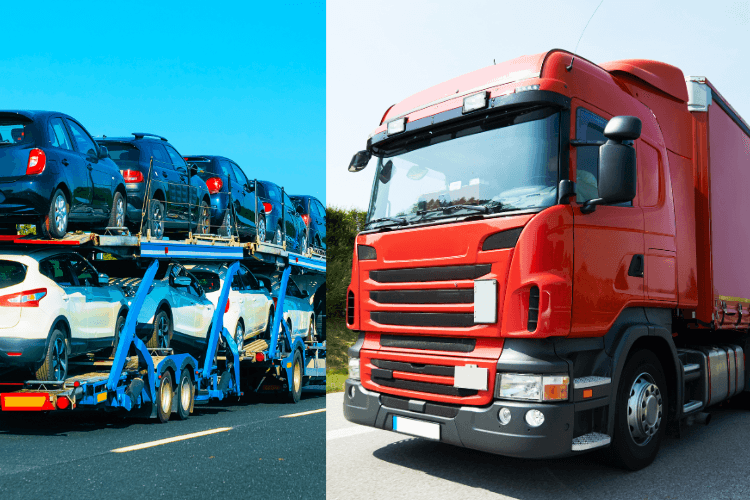
Compare open vs. enclosed car shipping to find the best fit for your budget and vehicle. Learn costs, pros and cons, and how to choose the right option.
24 Jun 25