

Guides for First-Time Customers
Do You Tip Your Car Transport Driver? Auto Transport Etiquette Explained
Wondering if you should tip your car shipping driver? Here's what's customary. Learn more!

Mike Hovhannisyan
19 Oct 26
28 January 2026
Learn how inoperable car shipping works, what equipment is used, and why it costs more. Discover how professionals safely transport non-running vehicles.
Guides for First-Time Customers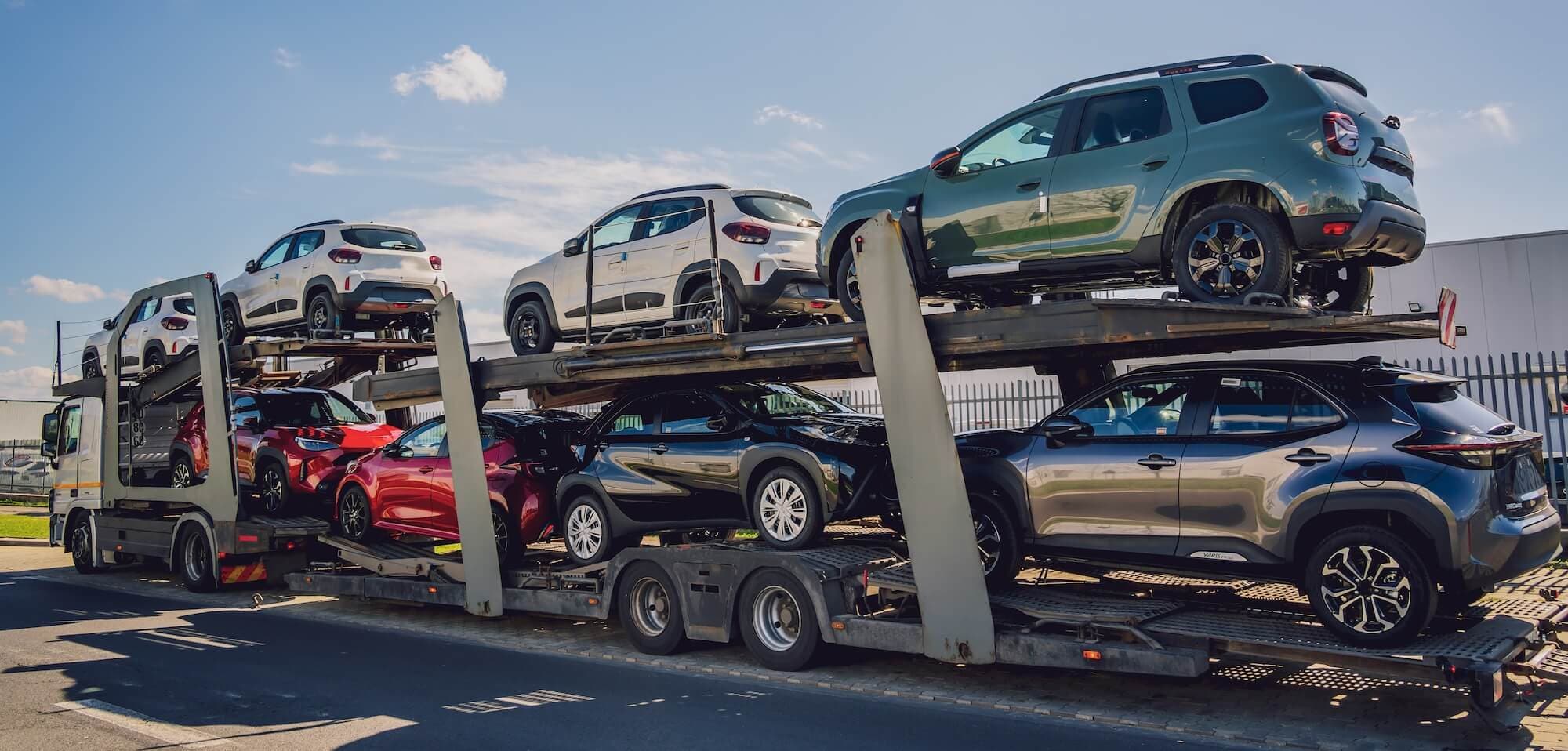

Click the button to start! We are here to be part of your car shipping story. Let's create a lot to tell!
You are trying to ship a car that can not move an inch - perhaps it's been out of use for months, or won't start or drive. The big question is, how do you ship a car that can't be driven? Do not break a sweat. Read on to learn how professional transport carriers handle inoperable car shipments daily through the right equipment that ensures the car is properly loaded, secured, and prevented from further damage.
In the context of auto shipping, a winch is a strong car-pulling kit that helps pull cars onto the carrier when they're stuck and won't roll (non-running).
We have two types of winches.
The hydraulic: A hydraulic winch is a superior winch ideal for many vehicles regardless of their size, but it is more expensive and complex to set up.
Electric Winch: Electric winches are more affordable and easier to set up, utilizing the car's battery.
For a heavy-duty vehicle or a totaled vehicle, a hydraulic winch is the best option.
Forklifts are among the easiest to operate car shipment equipment. A forklift is a mobile machine built with fork-like features to lift non-running vehicles for shipment without further damage.
A forklift is ideal when the wheels are locked or severely damaged.
Flatbed or specialized carriers are commonly used to transport heavy loads, including vehicles. They're super spacious and help the vehicle stabilize and secure.
Heavy-duty, formidable straps and chains
This equipment prevents unnecessary imbalances and movement during transit.
While your inoperable car is in transit, it shouldn't get damaged. Damage prevention in transit is the sole job of padding. Padding equipment or materials includes specific films, foam blocks, and full covers to prevent the car from road debris or possible scratches on the paint surface.
Inoperable car shipments not only take longer, but they also require specialized expertise to get great results. And that costs extra. Using the forklift, winch, and flatbed all add to the labor and direct additional cost. Inoperable shipping is a unique service in the auto shipping industry with limited availability. This factor influences the shipping cost.
Inoperable vehicles can be shipped successfully with the right equipment and expertise.
Are you looking to ship an inoperable car? Revoway specializes in all kinds of shipping; get a quote today.
Absolutely. Non-running cars aren’t an issue. You can have it shipped wherever you need across the country. With professional carriers, we ship your car using specialized equipment. The only requirement we have is to be informed in advance.
Yes, just a little. As in the case of operable cars, non-operable cars also need to be prepared before shipping. The process is usual - to remove personal belongings, to secure loose parts, and to provide accurate information about the car’s condition.
Yes, typically. In the case of inoperable cars, carriers use more equipment than in thecase of standard cars. Resulting in, here we have additional labor, specialized loading tools, and more time at pickup and delivery. It raises the cost automatically.
Not when handled by experienced professionals. Reputable carriers use heavy-duty straps, securement systems, and protective padding to minimize movement and protect your vehicle from scratches, shifting, or road debris during transit.
Wondering if you should tip your car shipping driver? Here's what's customary. Learn more!
19 Oct 26
Can I Ship a Boat? Yes, you can. See transport methods, cost factors, and prep tips. Learn more!
12 Oct 26