

Guides for First-Time Customers
Do You Tip Your Car Transport Driver? Auto Transport Etiquette Explained
Wondering if you should tip your car shipping driver? Here's what's customary. Learn more!

Mike Hovhannisyan
19 Oct 26
28 January 2026
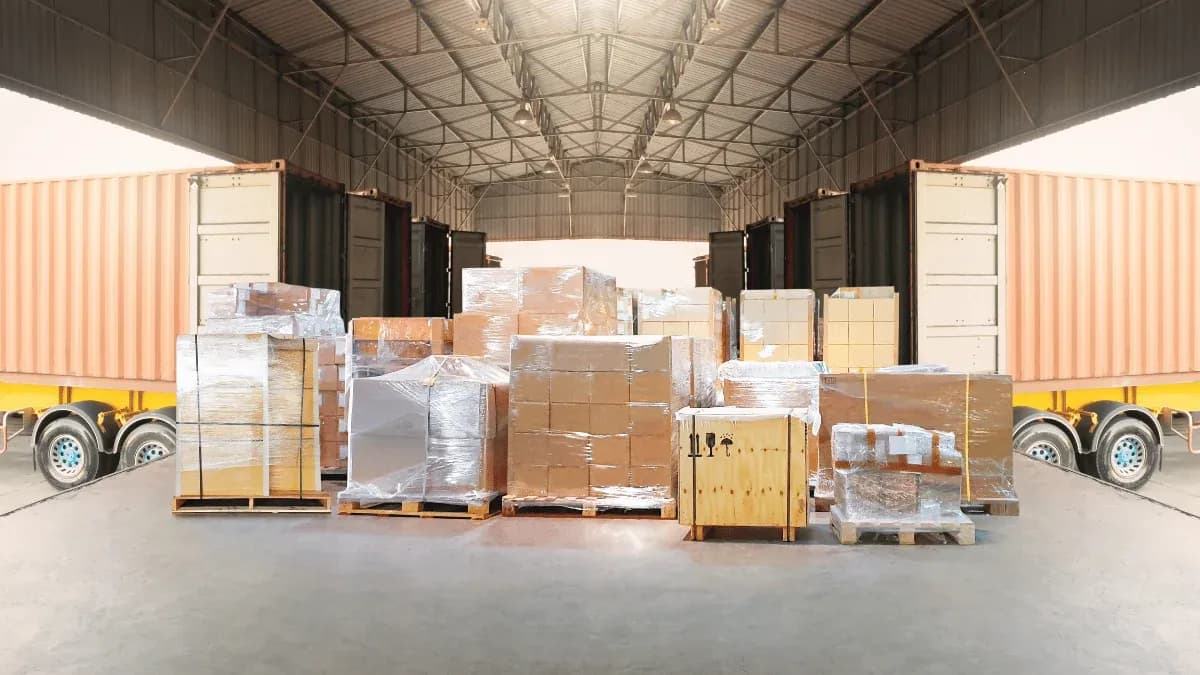
What is freight shipping? Learn the main freight types, how freight transport works, key terms, and tips for choosing the right shipping method.

Click the button to start! We are here to be part of your car shipping story. Let's create a lot to tell!
Large-scale shipping goes beyond the usual pickup bed or parcel service. Ever wondered how goods get to your doorstep? How does it move from the manufacturer to the warehouse and then to you? That is freight action!
Freight is the bedrock of global trade.
In this guide, we thoroughly break down what freight shipping is, the types of freight shipping, and how it works in a simple, beginner-friendly way.
Road freight is the most common and flexible mode of freight transportation. They're trucks that move bulky goods to your doorstep because most freight companies use them as last-mile delivery or as regional and domestic transport.
There are two types of truck freight - less-than-truckload (LTL) and full truckload (FTL).
Another ground freight mover apart from road trucks is rail freight. Rail freight is ideal for much heavier goods and long inland distances. Rail freight is often the most cost-effective mode of freight transportation, though it is limited to moving on tracks.
You've definitely seen a ship with many loaded containers. That's ocean freight. Ideal for the international shipping of bulk inventories in secured containers. Ocean freight travels from one seaport to another country via sea. They're much slower compared to rail freight. Ocean freight has two categories. Full Container Load (FCL) and Less than a Container Load (LCL)—giving customers options depending on their needs.
Air freight is the fastest and most expensive freight. Customers take their goods to the nearest cargo-only airport, and the goods will be airshipped to the destination freight airport. Air freight is highly secure, and goods are not exposed to saltwater corrosion, unlike sea freight. One downside of air freight is that it doesn't transport dangerous goods, such as batteries.
Research a reputable carrier company online, or get a word-of-mouth recommendation from family and friends. Request the quote and the shipment details. Select the route and transport mode (truck, rail, air, or sea) that best works for you.
Are your goods well packaged as you desire? The carrier will examine its weight and dimensions. Then, it will be loaded onto the carrier if all goes according to plan.
You can track the transit through a unique tracking number (bill of lading number) on the carrier's website to understand the progression of your shipment.
When your shipment reaches the terminal or your doorstep, you and the driver will conduct a final inspection of your goods to ensure their integrity is not compromised. Afterwards, you will sign a document that confirms receipt of the cargo.
Have an in-depth understanding of your shipment's weight to avoid needless delays and confusion.
If your goods are packaged inappropriately, there's a high chance of damage, but good packaging can give you peace of mind during transit.
Choosing price over reliability, especially for cheap quotes. Cheap quotes are often scams in disguise in the long run.
Reading the insurance fine print carefully and asking questions helps you feel confident and protected in case of issues.
Are you still considering whether Freight is for you? Here's one way to find out:
Categories of Freight Users:
Do you need freight shipping for any goods? Let Revoway help you get it to its destination in one piece. Check our website to see what you stand to gain.
This type of shipping involves transporting large, heavy items that cannot be shipped via standard services. If a truck or cargo is needed, then it is already freight.
Generally, rail freight and ocean freight are the most cost-effective for long distances and bulk shipments. For domestic shipping, LTL trucking is often the best balance between cost and convenience.
LTL is a shipping type for large items when you don’t fully utilize the entire cargo space. FTL is an ideal choice for those with so many goods that they can occupy the entire cargo space.
Yes, when packaged correctly and handled by a reputable carrier. Using proper pallets, protective materials, and understanding your insurance coverage dramatically reduces the risk of damage.
Wondering if you should tip your car shipping driver? Here's what's customary. Learn more!
19 Oct 26
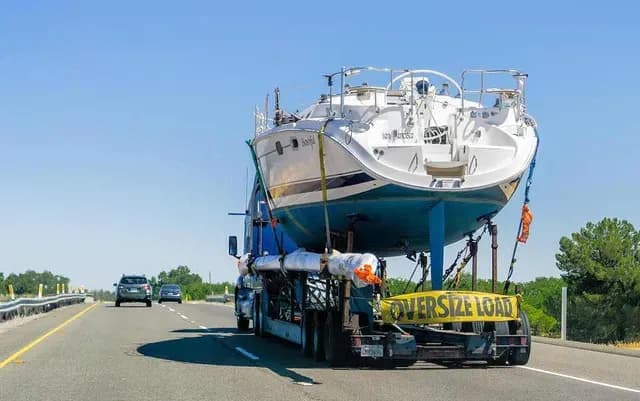
Can I Ship a Boat? Yes, you can. See transport methods, cost factors, and prep tips. Learn more!
12 Oct 26