

Guides for First-Time Customers
Do You Tip Your Car Transport Driver? Auto Transport Etiquette Explained
Wondering if you should tip your car shipping driver? Here's what's customary. Learn more!

Mike Hovhannisyan
19 Oct 26
08 April 2026
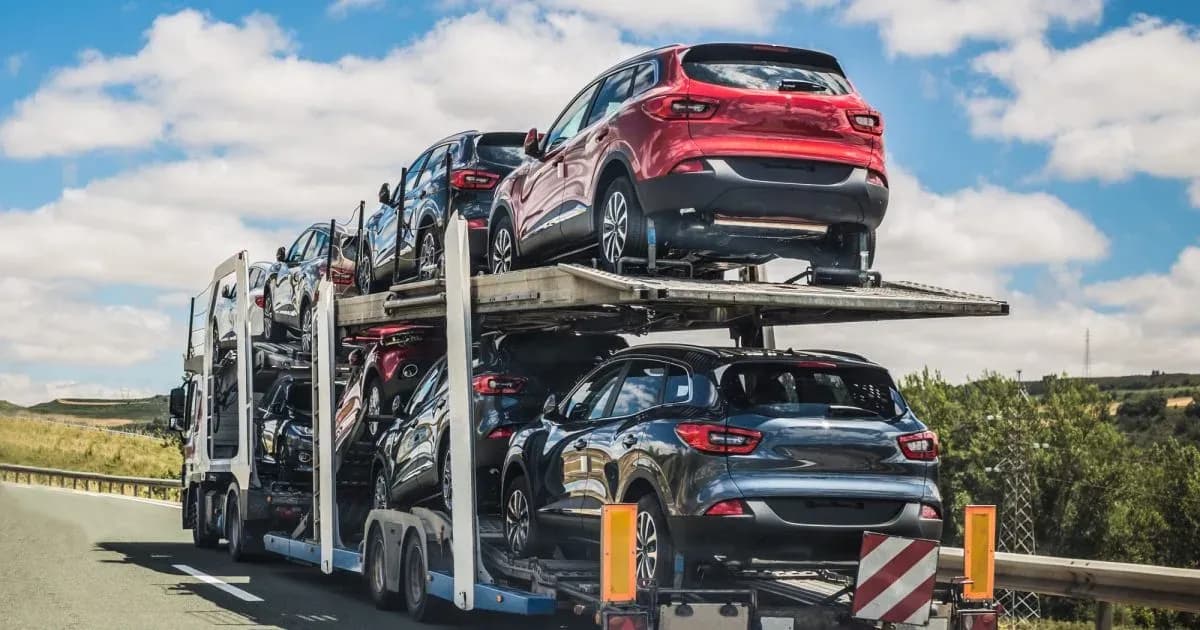
Planning long distance car transportation in 2026? Discover expert tips on costs, timing, and transport options for a smooth vehicle shipping experience.

Click the button to start! We are here to be part of your car shipping story. Let's create a lot to tell!
In 2026, long-distance auto transport offers greater opportunities and benefits to college students, automotive dealerships, individuals relocating, and others seeking a stress-free, safe, and cost-effective means of moving their vehicles. It ultimately makes more sense to ship than to drive long distances. However, there's a catch: if you don't understand shipping nuances in 2026, you may experience higher rates, delayed delivery, and poor carrier handling.
So, here's a breakdown of everything you need to know about long-distance car shipping in 2026—protecting you from overpaying, risk, and delays.
Anything under 500 miles isn't considered long-distance driving, so you can drive it since it's much cheaper and faster. Long-distance shipping is typically 1,000+ miles or cross-country routes.
E.g., state-to-state shipping, coast-to-coast shipping. The long-distance rate could be reduced to $0.50–$0.70 per mile, compared to the short-distance rate, which is much higher.
The previous section explains the key influencers in the car shipping industry. But here is a typical price breakdown to help with your shipping cost planning.
Delivery timelines follow predictable patterns. The delivery timeline for long-distance shipping is highly predictable because it's measurable.
By understanding and leveraging the right long-distance shipping guide in 2026, you will experience seamless, safe, and affordable shipping without worrying about potential uncertainties.
Yes. More than ever, long-distance shipping is worth it, thanks to new upgrades such as route optimization, transparent pricing, and real-time tracking systems.
Because the fixed costs (loading, scheduling, and logistics) are shared across more miles, this greatly reduces the total cost.
The cheapest way to ship a car includes open transport, flexible pickup/delivery dates and times, and early booking.
Wondering if you should tip your car shipping driver? Here's what's customary. Learn more!
19 Oct 26
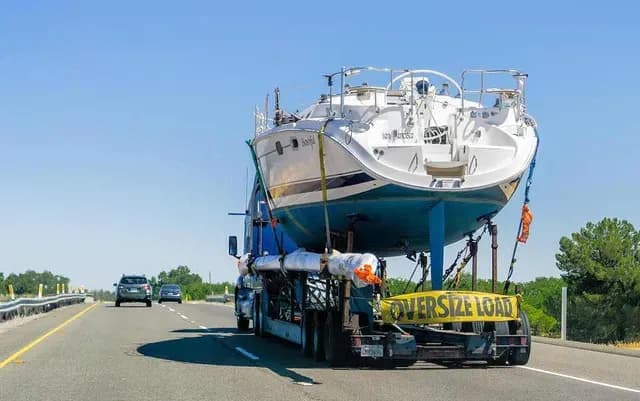
Can I Ship a Boat? Yes, you can. See transport methods, cost factors, and prep tips. Learn more!
12 Oct 26