
Guides for First-Time Customers
International & Overseas Car Shipping: Costs, Ports, and Documents Explained
Shipping a car overseas? Learn costs, ports, and required documents. Learn more!

Hayk Baghdasaryan
02 Oct 26

Click the button to start! We are here to be part of your car shipping story. Let's create a lot to tell!
You've been successful with the bidding process. It is all yours now! The problem is that it's in the auction compound, possibly hundreds of miles away, and now you have to transport it home or to your dealership premises. The process of transporting auction cars has one unique difficulty that isn't encountered when dealing with a private seller: the driver just can't arrive whenever he wants. He will first need to obtain the necessary permission from the auction and correct information regarding the pickup.
In the case of private-party pickup, a carrier may negotiate directly with the seller at the seller's convenience. Auctions have their own payment process. At Copart, buyers can provide vehicle information to the carrier and schedule pickup. At Manheim, it is necessary to obtain a vehicle release and identification for removal, whereas ADESA provides release forms and gate passes after making payment.
First, examine the auction notice, then give the details to the transporter. Is the car capable of being started, driven, steered, and braked? Do all four wheels still have tires on them? Did it sustain any type of damage which would make loading impossible?
Exercise caution when seeing a "run and drive" designation. In Copart, it implies that the car had been started, put into gear, and had rolled under its own steam on arrival to the premises. This does not necessarily mean the vehicle is in good condition to be removed from the premises. copart.com
Finally, contact your account or the yard to confirm whether the payment has gone through, all fees have been paid, and the vehicle is ready for release. The rates can be looked up in advance, but do give the carrier the release status before sending the truck.
Open Carrier: For any normal used car that can be loaded without issue, open carrier transport is always more economical than any other option. The car would travel unprotected, as it does on any normal car carrier.
Enclosed Carrier: If you have bought a special or restored car, you will require enclosed carrier transportation, which protects the car from damage caused by weather and road conditions. You can ask for the extra cost incurred for such transport.
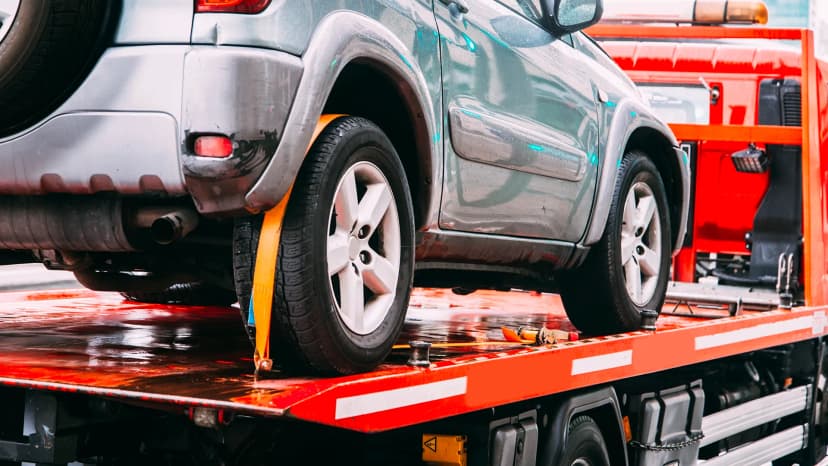
Flatbed/Non-Running Transport: Your car could be non-operational due to an accident or damage. In this case, the company needs to know about the problems with your car. You could let the company know about the lack of wheels, locked steering, or badly damaged body before accepting a quote for inoperable Vehicle transport.
Gather the information while you’re arranging payment:
Send the carrier the auction’s pickup instructions, then confirm they have what they need before their driver sets out. The process resembles shipping a newly purchased vehicle, but the auction’s release procedure adds a step that neither buyer nor driver can skip.
As soon as you get your win, check the pickup deadline. Then make prompt payments, complete the release documents, and arrange for the vehicle to be collected as soon as possible. Early bookings are useful, but they do not guarantee there will be no storage costs, as the vehicle must be collected from the yard by the deadline.
Find out about pickup hours and appointments as well. The transport company that arrives at the gate after the pickup closing time may have to return on another day. Should any problem with payment or release arise, inform the transporter straight away.
When a dealer is purchasing many vehicles, he or she may schedule recurring pick-ups on known routes or coordinate many vehicles from a single sale. This may make things easier, but each vehicle will still have to be assigned its own correct lot number and release information.
If you’re new to the auctions, you’ll probably only be making one pickup. You don’t need a dedicated transport service; you just need someone who understands the auctions and will give you precise instructions for the driver. Either way, provide the yard details and condition information when you get a shipping quote.
Auction car transportation will be fairly easy to arrange when three elements are in place: the car has been released by the yard, the carrier knows how it should be loaded, and the driver has all the correct pickup details. This needs to be sorted out early to avoid paying storage fees.
Start arranging it immediately, then confirm pickup when payment has cleared and the vehicle is eligible for release. Check your yard’s storage deadline before choosing a date.
Yes, provided the transporter knows its condition and has suitable equipment. Tell them whether it rolls, steers, brakes, and has all its wheels. Do not rely on a “run and drive” listing to answer those questions.
Often, yes. The required step might be assigning the vehicle to a transporter, providing a release form or gate pass, or supplying other pickup credentials. Follow the instructions for the auction and location holding your car
It does not exist. The free trial period and the charge per day/week depend on the auction and the place. You need to check the fee structure in the purchase contract or on the yard's website; sometimes even small recurring charges may significantly affect the car's price.
It could be for a rare or high-value item where the additional security would justify the cost. In a typical used-car situation, one should obtain both an open and an enclosed quote before deciding.
Shipping a car overseas? Learn costs, ports, and required documents. Learn more!
02 Oct 26
A corporate relocation car-shipping guide for companies. Get a free quote from Revoway for seamless employee moves.
29 Sep 26