
Guides for First-Time Customers
What is a Bill of Lading?
Learn what a bill of lading is & why it matters. Get a free car shipping quote from Revoway.

Hayk Baghdasaryan
21 Sep 26
Can you ship a leased car? Learn the rules, restrictions, and steps to transport your leased vehicle safely.

Click the button to start! We are here to be part of your car shipping story. Let's create a lot to tell!
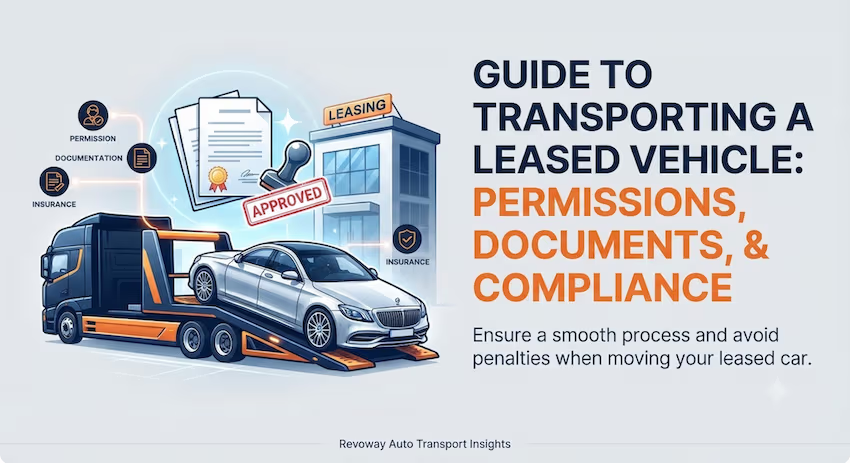
Whether you’re relocating for work, a military service member with PCS orders, or simply someone moving to another state, transporting a leased vehicle comes with financial risks and complexities, such as increased mileage, damage, and costly lease-end charges.
So, it’s necessary that you know how to ship a leased vehicle, the rules involved, the permissions you may need, and how to transport your vehicle without violating the terms of the contract.
In this article, we will walk you through the rules, required permissions, documents, and how to choose the right transport to stay compliant and protected.
Absolutely yes. You can ship a leased car, but you have to follow the requirements and instructions in your lease agreement.
Unlike your personal vehicle, a leased vehicle is legally owned by the leasing company. This is why the lease sets out the terms and conditions governing how the vehicle is used, relocated, and transported. Ignoring these terms can lead to breach of your lease contract, potentially resulting in financial penalties and other consequences.
To avoid all these, here is what to do before booking auto transport:
Before shipping a leased vehicle, review your lease agreement, especially the sections titled "Vehicle Use," "Restrictions," "Default," "Insurance," "Maintenance," and “Vehicle Condition and Return."
This section clearly outlines what your vehicle lease agreement says before transporting it. The next thing is to look for language covering the following:
Don’t schedule auto transport before contacting your lease company. Ask them first. Get their consent and then proceed.
Here are the proper steps to follow:
Shipping your own car doesn’t require as much paperwork as shipping a leased vehicle. Getting the correct documents protects you from liability, delay, and contract violations.
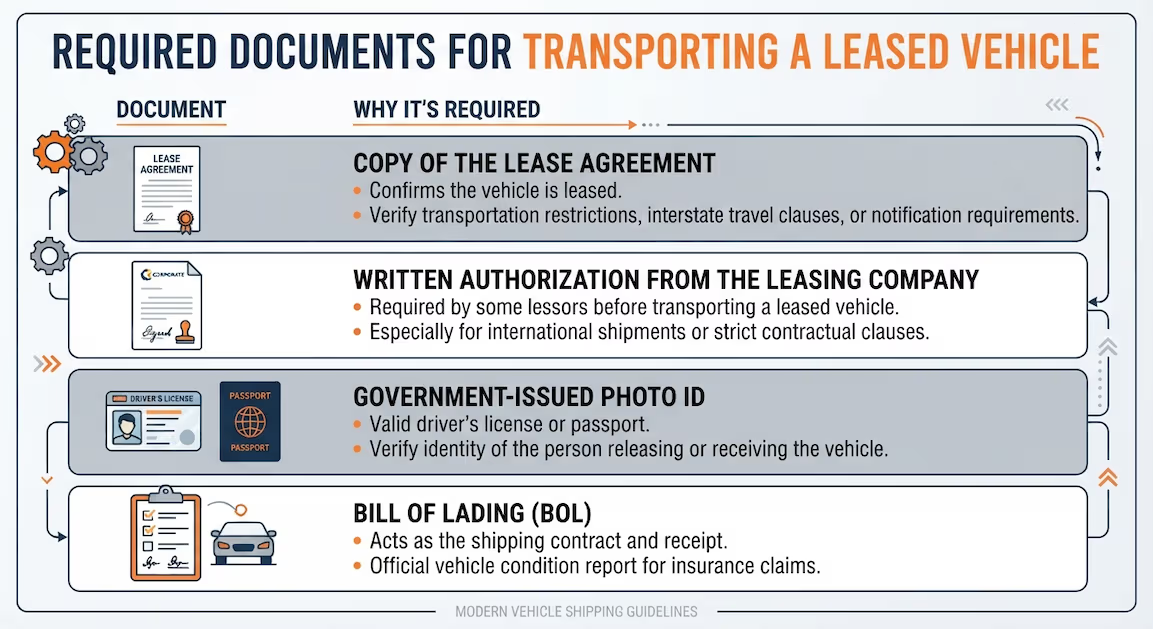
Required Documents Overview
For a leased vehicle, the bill of lading is highly important because you’re transporting property that legally belongs to a leasing company. The BOL serves three critical purposes:
Document
Why It's Required
Copy of the Lease Agreement
Confirms the vehicle is leased and allows you to verify any transportation restrictions, interstate travel clauses, or notification requirements imposed by the leasing company. Review your lease agreement before shipping to ensure you're complying with its terms.
Written Authorization from the Leasing Company (if required)
Some lessors require written permission before transporting a leased vehicle—especially for international shipments or when additional contractual restrictions apply. Confirm your leasing company's policy before booking transport.
Government-Issued Photo ID
Carriers use a valid driver's license or passport to verify the identity of the authorized person receiving or releasing the vehicle. If someone else handles pickup or delivery, they typically need identification along with a signed authorization letter.
Bill of Lading (BOL)
The Bill of Lading (BOL) is the most important document in auto transport. It serves as the shipping contract, pickup and delivery receipt, and the official vehicle condition report used for insurance claims if damage occurs during transit.
The best shipping method for a leased vehicle depends on its specific circumstances. It majorly depends on its value, condition, and potential exposure to end-of-lease damage charges. Because the lease company legally owns it, even minor cosmetic damage can attract additional fees when the car is returned.
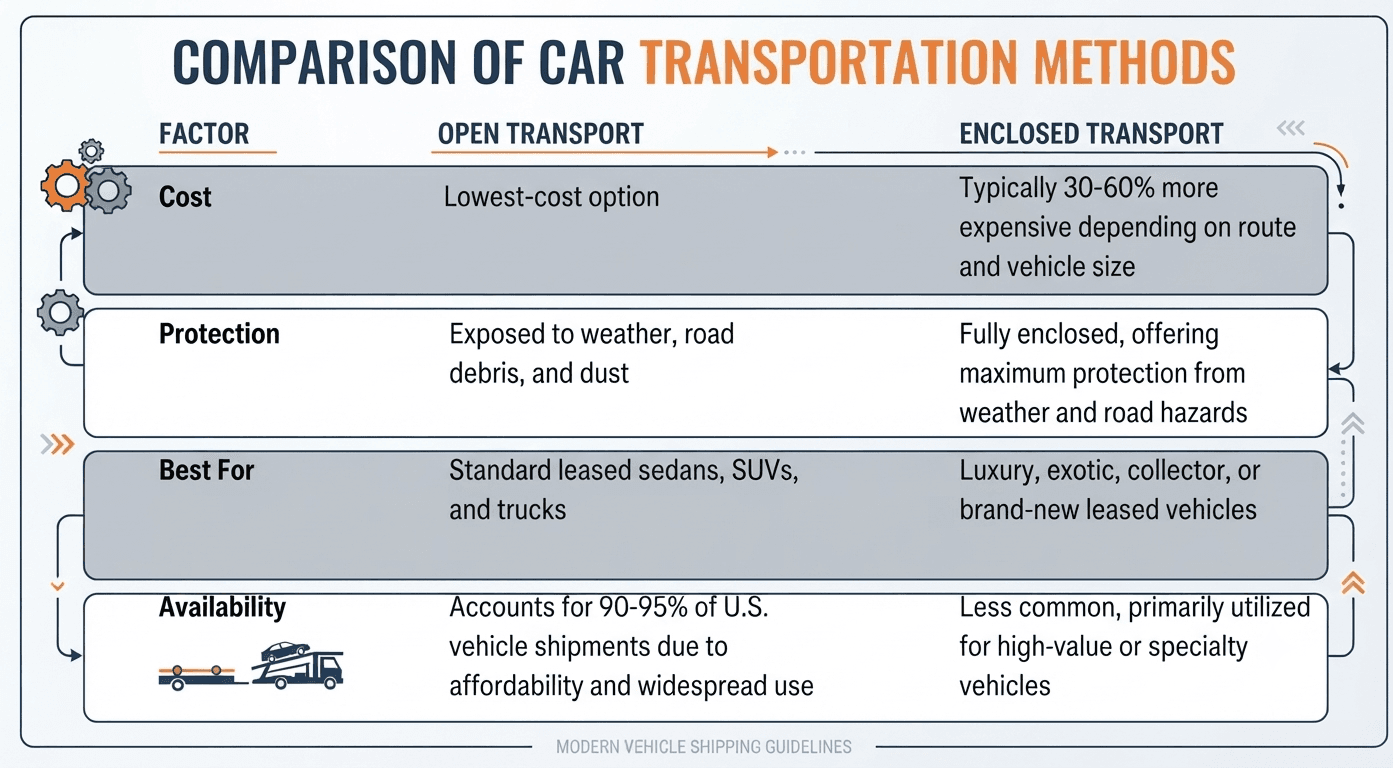
Choosing the Right Transport for a Leased Vehicle
Getting insurance coverage for your leased vehicle matters more. Before shipping, confirm the following:
These understandings guide your shipping decisions and protect your wallet.
You’re definitely returning the vehicle to the leasing company eventually. And if it has even small cosmetic damage, it can lead to lease-end wear-and-tear charges. Taking practical precautions can protect you from disputes and unexpected costs.
Conduct a careful inspection before the pickup and photograph every angle, including:
These photos provide valuable evidence for filing a damage claim. They should mark the vehicle's condition on the Bill of Lading (BOL), serving as the official inspection record.
Never assume a carrier is fully insured. Ensure you ask. Also, verify what damages are covered and which ones are excluded. Under 49 CFR Part 387, interstate auto carriers are required to have minimum levels of financial responsibility, but cargo insurance limits and exclusions vary by carrier.
The delivery day is your final chance to inspect shipping-related damage. Before signing:
If you discover damage:
If transit damage happens, inform your leasing company as soon as possible. You’re bound to return a leased vehicle, and if there’s damage, you’re generally liable. Quickly reporting transit damage to the leasing company while coordinating repairs with the carrier's insurer can help prevent lease-end penalties.
Yes. Shipping a lease vehicle is possible. However, you need to prepare more than shipping your personal vehicle.
Preparation in this sense is getting permission, having the right documents, and choosing a reliable carrier to protect yourself from liability. Take these few steps up front to prevent costly complications when you return the leased vehicle.
No. You need to notify the lease company and get permission for shipping. Otherwise, you may face default penalties and other liabilities.
If your leased car is damaged during shipping, you don’t need to panic. Provided you use a reliable carrier, you’re not liable for damages, and the carrier will take responsibility.
Not really. You need to confirm the carrier’s cargo insurance and notify the leasing company as well.
Yes. If the lease company has permitted you.
You need: Written lease permit, lease number, and vehicle identification number (VIN).
Learn what a bill of lading is & why it matters. Get a free car shipping quote from Revoway.
21 Sep 26

Protect your classic car during transport and avoid common risks. Get a free classic car shipping quote from Revoway.
14 Sep 26