
Guides for First-Time Customers
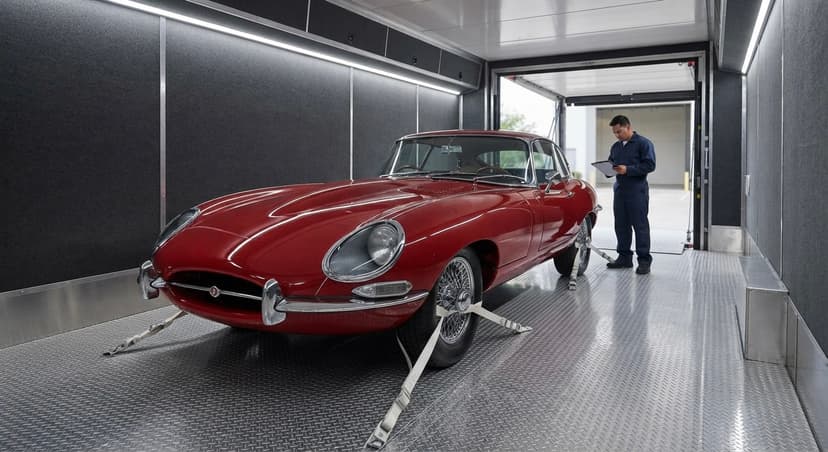
How to Ship a Classic Car Without the Risk
Protect your classic car during transport and avoid common risks. Get a free classic car shipping quote from Revoway.

Mike Hovhannisyan
14 Sep 26
21 September 2026
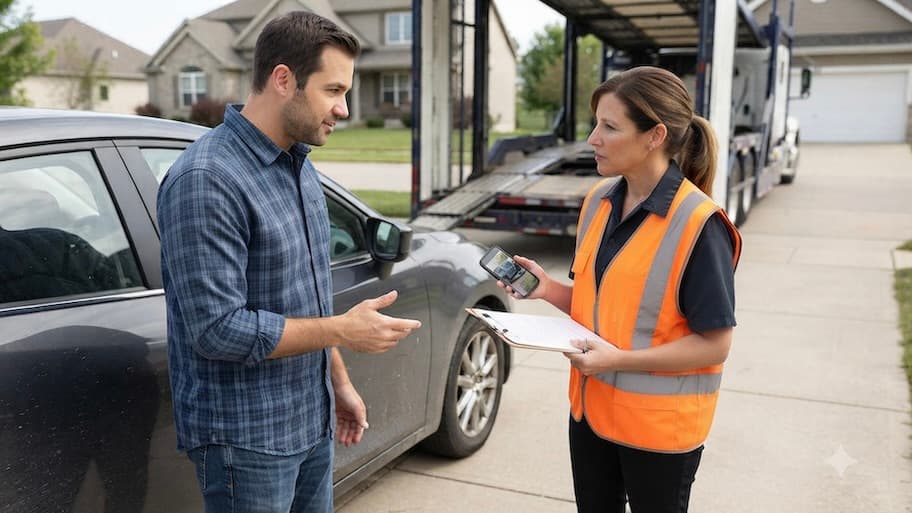
Learn what a bill of lading is & why it matters. Get a free car shipping quote from Revoway.

Click the button to start! We are here to be part of your car shipping story. Let's create a lot to tell!
A Bill of Lading is one of those documents that a lot of people sign halfheartedly, like signing for their pizza delivery. That's a mistake. Many times, it might be due to the excitement of finally seeing the car. Regardless, the Bill of Lading is too important to take lightly. In auto transport, it involves more than just ordinary paperwork. It records the cargo, certifies that the carrier got the vehicle, and provides both parties with a written record of the vehicle's condition.
The simplest definition of a bill of lading is a document showing that a carrier has accepted goods for transportation. According to the Uniform Commercial Code, it is a document proving receipt of goods for shipment issued by someone in the transportation or forwarding business.
For car shipping, the BoL typically identifies the vehicle and shipment, documents the condition, and serves as a delivery receipt.
For instance, if your car leaves California with a clean passenger door and arrives in Texas with a new dent. You need to see what the car looked like before the carrier collected it to be sure who is at fault for the new dent and also to be able to make damage claims from the company.
The formats used by various companies vary, but a typical Bill of Lading has the same basic things, such as
Read those markings carefully rather than assume the driver did everything correctly.
Before you load,
People frequently become reckless during the delivery process. When the driver arrives, you are relieved to see the automobile, and it is tempting to sign and take the keys right away. Before you do that, make sure to
You don't have to memorize every possible symbol on the diagram. All you need to do is make sure you understand what the marks on your form imply.
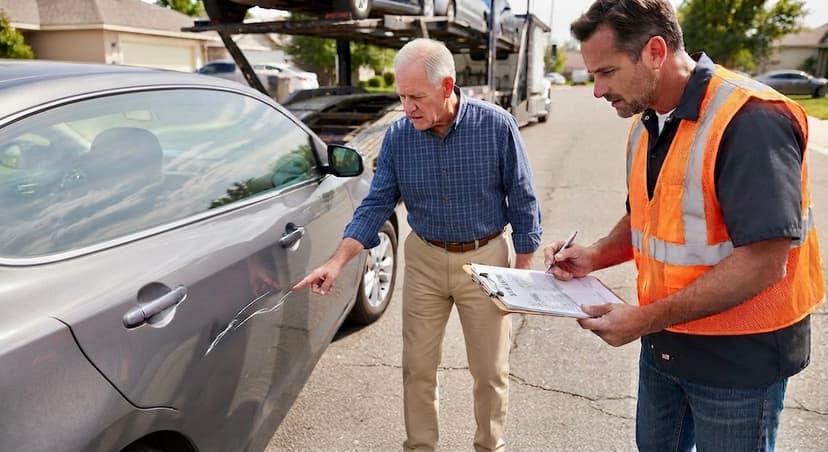
If "S" signifies scratch and "D" denotes dent, make sure those labels are used correctly. If a mark is unclear, request a written note beside it. The purpose of photographs is to support your report and not replace it.
When you notice damage, it is not the time to start an argument about fault. The first step is to start with documentation. Make sure you photograph the damage, include it on the BoL, have the driver acknowledge the entry, and retain a copy. Then contact the carrier and follow their claim procedures. Your pickup records, delivery records, pictures, and repair estimates may all be important. You need to check your auto transport insurance details before shipping so you know who to call if something goes wrong.
The most common mistakes include
Your carrier could use a paper version, a tablet, or a phone-based electronic version, depending on what works best for them. FMCSA allows electronic signatures and documents for records subject to its standards; therefore, digital paperwork is not necessarily less official. Just make sure that before the driver leaves, you get a readable copy and save it somewhere you can locate it later.
A Bill of Lading may just look like standard transportation documentation, but it is actually the documented history of your shipment.
Check it during pickup. Check it again at delivery, and save your own photos next to it. A thorough examination can prevent hours of argument later.
If you are comparing our services or choosing an auto transport company, ask how its Bill of Lading process works before booking. Revoway can also explain what to expect before collection.
It can form part of the transportation contract and should be treated as an important legal document.
Yes. Keep pickup and delivery copies until the shipment and any claim are fully settled.
You can still report a problem, but proving transport damage may become much harder.
Possibly, but losing the main shipment and condition record can weaken your evidence.
Yes. Electronic documents and signatures are commonly used in regulated transportation records.
Protect your classic car during transport and avoid common risks. Get a free classic car shipping quote from Revoway.
14 Sep 26
Find out how to file a damage claim after auto transport and what your car shipping insurance covers.
31 Aug 26